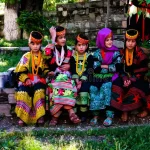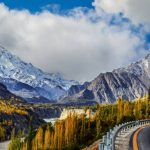


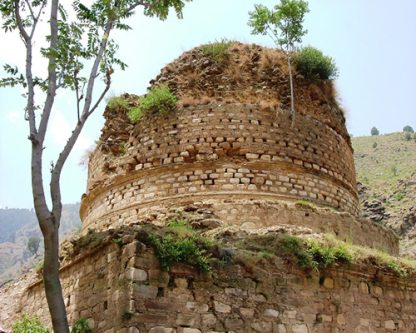
Here, where the past meets the present, ancient stupas rise from the earth. Stone Buddhas gaze across valleys that once echoed with monks’ chants. This is Pakistan a land where 2,300 years of Buddhist history waits for you.
Most travelers do not know this: Pakistan holds some of the world’s most significant Buddhist heritage sites. While everyone flocks to Tibet or Thailand, you could be exploring pristine archaeological wonders that rival anything in Asia.
Ready to discover a side of Pakistan that will completely change how you see this country?
Why Buddhist Tourism in Pakistan Matters to You
Here’s something that might surprise you: Pakistan was once the heart of Buddhist civilization. Not just a small part but the actual center where Buddhism thrived for centuries.
The numbers tell an incredible story. Around 500 million Buddhists exist worldwide. Yet only 2,000 Buddhist monks visit Pakistan annually for religious tourism. That’s a fraction of what these sacred sites deserve.
What does this mean for you? Fewer crowds. More authentic experiences. The chance to walk through history without fighting through tourist hordes.
The Hidden Economic Power of Buddhist Heritage
Pakistan’s Buddhist tourism is on the rise, bringing new opportunities for travelers and communities alike. What matters most is that things are changing fast infrastructure is improving, online visas make travel easier, and security has strengthened. Now is the perfect time to visit, before the rest of the world discovers it.
The Crown Jewels: Must-Visit Buddhist Sites
Taxila: Where Civilizations Collided
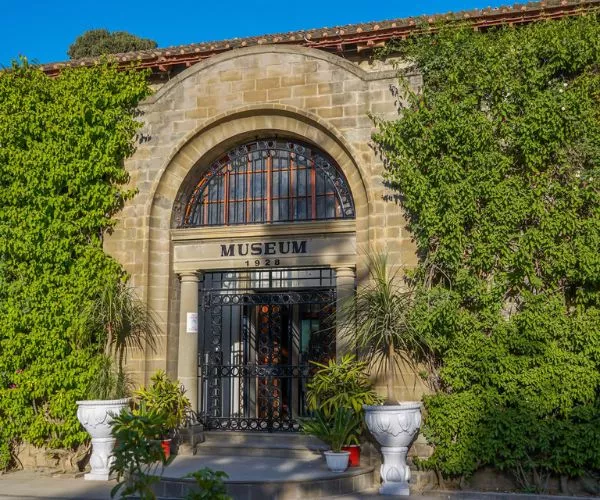
Taxila isn’t just one site it’s an entire complex of ancient Buddhist learning and culture. This was where East met West more than 2,000 years ago. Just a short drive northwest of Islamabad, the ruins of Taxila tell the story of a city that once stood at the crossroads of civilizations.
Founded almost 3,000 years ago, Taxila was a busy center for religion, education, and trade. For many centuries, it connected different cultures — Persian, Greek, and Indian. Its monasteries, stupas, and streets show how people from faraway lands came together to share ideas and traditions. According to National Geographic, the city was forgotten after its fall but rediscovered in the 1800s, astonishing archaeologists with its unique mix of art and culture. Today, Taxila stands as a peaceful reminder of how the ancient world once stayed connected through trade and learning.
Dharmarajika Stupa
This massive religious monument shows you how ancient Buddhists practiced their faith. The architecture will blow your mind. Intricate designs carved in stone. Stupas that have stood for millennia.
Mohra Moradu
Here’s where architectural genius meets spiritual devotion. The monastery ruins reveal how monks lived, studied, and meditated. You can still see the individual cells where they slept and contemplated.
Sahr-i-Ahlool
These ruins tell stories that textbooks can’t. Every stone has witnessed centuries of history. The Greco-Buddhist sculptures here are some of the finest you’ll ever see.
Sir John Marshall excavated these sites in the early 20th century. What he found changed how we understand Buddhist art forever. Buddha figures with Hellenistic features. Cultural fusion carved in stone.
Swat Valley: The Switzerland of Buddhism
They call Swat the “Switzerland of the East” for good reason. Mountains. Rivers. And Buddhist heritage everywhere you look.
Jehanabad Buddha dominates the landscape. This 6-meter-tall statue was carved directly into a rock face in the 7th century. Imagine the devotion it took to create this. The skill. The time. You’re looking at medieval engineering at its finest.
Amluk Dara Stupa and Butkara I & II show you the architectural prowess of ancient Buddhist communities. These weren’t just religious sites. They were centers of learning, art, and culture.
Ghalegay Rock Carving features intricate carvings that reveal how early Buddhists expressed their faith through art. Every detail tells a story. Every symbol has meaning.
The valley itself enhances your experience. Green mountains rise on all sides. Rivers flow through ancient landscapes. This is where nature and spirituality become one.
Jaulian Monastery: A Masterpiece in Stone
Jaulian Monastery represents the peak of the Gandharan architectural style. The layout is brilliant: a central masonry reliquary mound surrounded by smaller stupas. Monks’ living quarters are arranged around a central courtyard.
The reliefs here depict scenes from Buddha’s life with stunning detail. You’ll see stories carved in stone. Teachings preserved through art. This is how Buddhism was taught before books became common.
The monastery shows you communal monastic life where monks gathered. Where did they study? Where they found enlightenment.
Hidden Gems You Can’t Miss
Beyond the famous sites, Pakistan holds treasures most travelers never see:
Mankiala Stupa in Rawalpindi stands as a testament to Buddhist devotion. Legend says this marks where Buddha sacrificed himself in a previous life.
Katasraj Stupa in Chakwal combines Hindu and Buddhist heritage. The sacred pond reflects ancient structures. History layered upon history.
Bhamala Complex in Haripur recently revealed a sleeping Buddha statue that made international headlines. This is where discoveries happen, where history rewrites itself.
Each site offers unique insights. Each tells a different story. Together, they paint a picture of a civilization that shaped the world.
Your Journey Through Buddhist Pakistan: What to Expect
The Historical Experience
You’re not just visiting ruins. You’re walking through a story that began with Emperor Ashoka 2,300 years ago.
After the Third Buddhist Council in Pataliputra, Ashoka sent missionaries to Kashmir and Gandhara. A monk named Majjhantika brought Buddhism to what is now Pakistan. The faith spread along the Silk Road. Merchant communities embraced it. Kings promoted it.
The Major Rock Edicts of Ashoka in Mansehra and Shahbaz Garhi are some of the earliest Buddhist records in the region. These aren’t just historical artifacts. They’re messages carved in stone by one of history’s greatest emperors.
Under Indo-Greek king Menander, Buddhism flourished even more. The Milinda Panha documents his famous dialogue with monk Nagasena. Philosophy meets politics. East meets West.
Buddhism thrived here until the 6th century. Then invasions came. The Alchon Huns. Later Muslim conquests. By the 14th century, few Buddhists remained. But the monuments survived. The legacy endured.
Planning Your Buddhist Pilgrimage
Best Time to Visit: Spring (March to May) and autumn (September to November) offer perfect weather. Summers get hot. Winters can be harsh in mountainous areas.
Getting There: International flights land in Islamabad. From there, Taxila is just 30 kilometers away. Swat Valley requires a few hours’ drive through stunning mountain roads.
Visa Requirements: Pakistan now offers online visa applications. The process has improved dramatically. Most tourists can get an e-visa within days.
Safety Considerations: Security at major tourist sites has been significantly enhanced. Tourist police operate in key areas. The situation is much better than the international media suggests.
What Your Experience Includes
Professional guides bring these sites to life. They don’t just recite facts. They tell stories. They explain symbolism. They help you understand what you’re seeing.
Many tours combine multiple sites. You might visit Taxila’s stupas in the morning. Explore museums in the afternoon. Watch sunset over ancient monasteries.
Local communities are increasingly involved in tourism. You’ll meet people who’ve lived near these sites for generations. Their stories add depth to your experience.
The Cultural Impact: Why This Matters Beyond Tourism
Interfaith Harmony Through Heritage
Buddhist sites in Pakistan represent something powerful: a crossroads of civilizations. Multiple faiths. Diverse traditions. All coexisting in stone and memory.
Visiting these sites promotes understanding. When you see how Buddhism, Hinduism, and later Islam all left marks on this land, you understand Pakistan’s true complexity.
The Ministry of Foreign Affairs uses cultural heritage for public diplomacy. Art exhibitions. Music concerts. Academic exchanges. These sites aren’t just tourist attractions. They’re bridges between cultures.
Economic Benefits That Transform Lives
Regional tourism creates jobs. Local guides. Hotel staff. Restaurant workers. Artisans selling crafts. Every visitor contributes to local economies.
In Swat, increased tourism means better infrastructure. Improved roads. Better schools. Healthcare facilities. The benefits ripple through entire communities.
Archaeological research employs local workers. It creates skilled labor. It raises cultural consciousness. People take pride in their heritage. They protect it. They share it.
Preservation for Future Generations
Every ticket you buy supports preservation. Restoration projects need funding. Maintenance requires resources. Your visit helps ensure these sites survive for centuries to come.
Modern technologies like virtual reality are being introduced. These enhance your experience while protecting fragile structures. You get closer to history without damaging it.
Public-private partnerships are developing infrastructure. Better facilities. Improved services. Higher quality experiences. The sector is professionalizing rapidly.
Challenges and Opportunities: The Reality Check
Let’s be honest. Buddhist tourism in Pakistan faces obstacles.
Bureaucratic processes still slow things down sometimes. Some areas lack proper tourist facilities. International perceptions of Pakistan remain challenging.
But here’s the opportunity: Pakistan is actively addressing these issues. Infrastructure investments are happening. Marketing strategies are improving. The government recognizes religious tourism’s potential.
What makes this exciting for you? You’re visiting during a transformation before mass tourism changes everything. When authenticity still dominates. When you can have these incredible sites almost to yourself.
Why Book Your Buddhist Tour of Pakistan Now
The window for intimate, authentic experiences is closing. As word spreads about Pakistan’s Buddhist heritage, more travelers will come. Infrastructure will improve—but so will crowds.
Right now, you can:
- Explore Taxila without fighting through tour groups
- Photograph the Jehanabad Buddha in relative solitude
- Have meaningful conversations with local guides who have time for you
- Experience these sites before commercialization changes their character
Professional tour operators now offer comprehensive Buddhist heritage tours. They handle logistics. They ensure safety. They provide expert guides. You need to show up and experience history.
Ready to explore centuries of living history? Join PakAdventure.com for a guided Buddhist heritage tour and experience the sacred sites that shaped Asia’s spiritual journey.
Your Next Steps: Making It Happen
Ready to walk where ancient monks once meditated? To see sculptures that influenced Buddhist art across Asia? To discover a side of Pakistan that will challenge everything you thought you knew?
Professional tour operators now offer comprehensive Buddhist heritage tours. At PakAdventure.com, we handle every detail — from logistics and safety to expert local guides — so you can simply show up and experience history. Research visa requirements for your country, plan a 7–10 day itinerary, and let us take care of the rest. Book your Buddhist heritage tour with PakAdventure.com today and walk through centuries of spiritual heritage with confidence.
The stupas of Taxila await. The valleys of Swat call. The monasteries stand ready to share their secrets.
Pakistan’s Buddhist heritage isn’t just history. It’s a living connection to humanity’s spiritual journey. It’s a reminder that cultures intersect, influence each other, and create something greater than the sum of their parts.
Your journey through Buddhist Pakistan will change how you see religion, history, and the power of heritage to unite rather than divide.
The question isn’t whether you should visit Pakistan’s Buddhist sites.
The question is: what are you waiting for?
Book your Buddhist heritage tour of Pakistan and discover 2,300 years of history waiting to be explored. Contact our specialized heritage tour operators today and secure your place in this ancient spiritual journey.